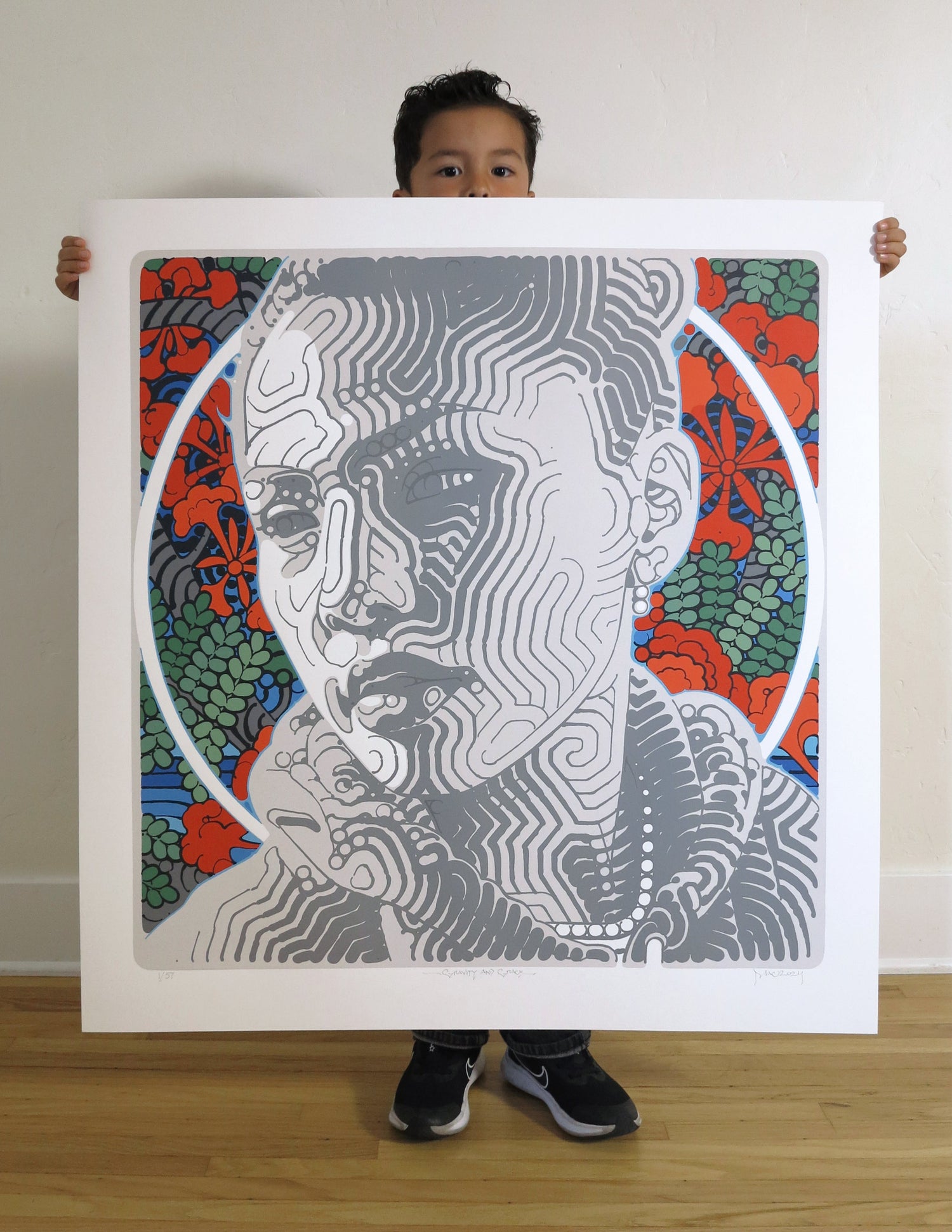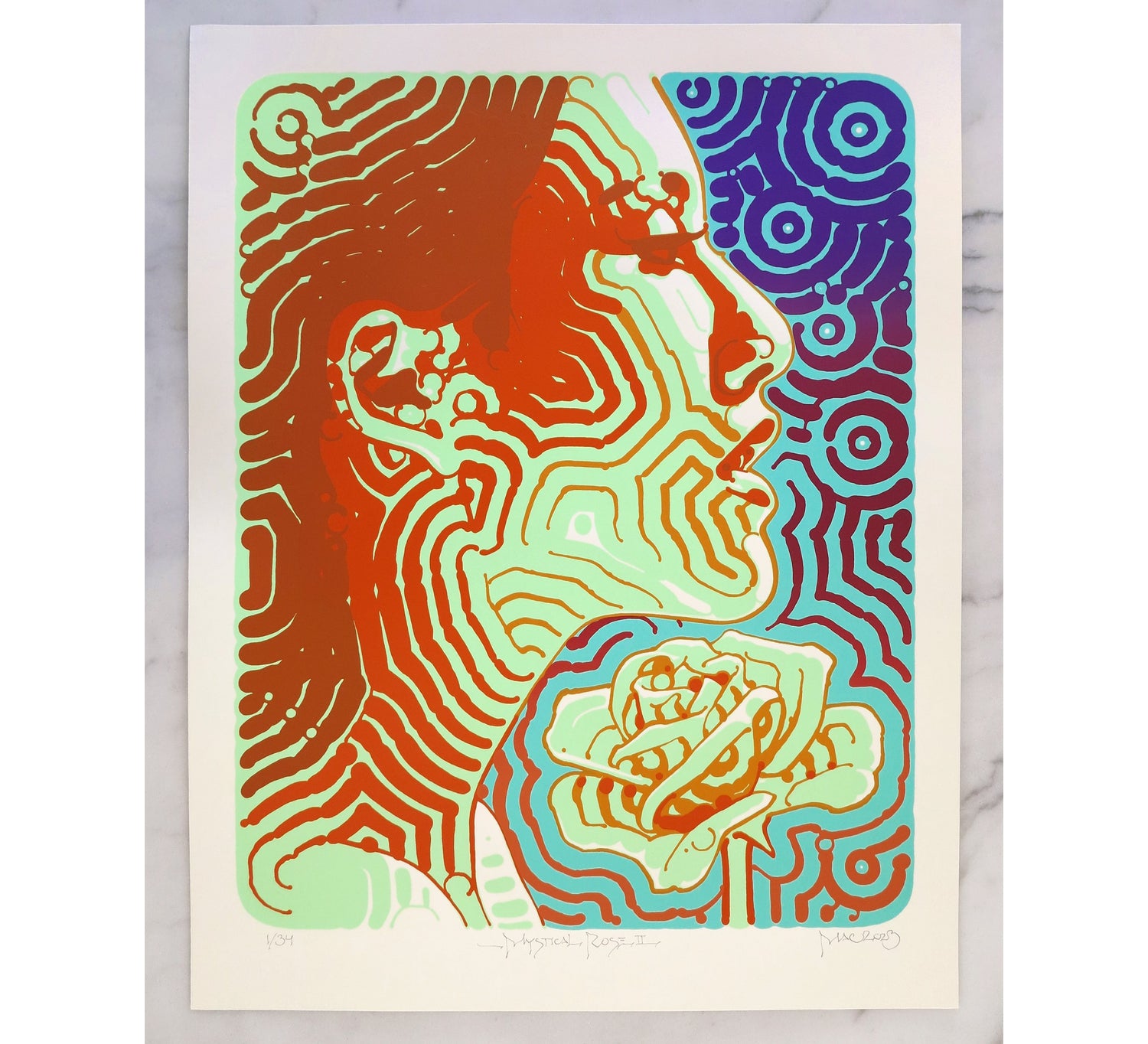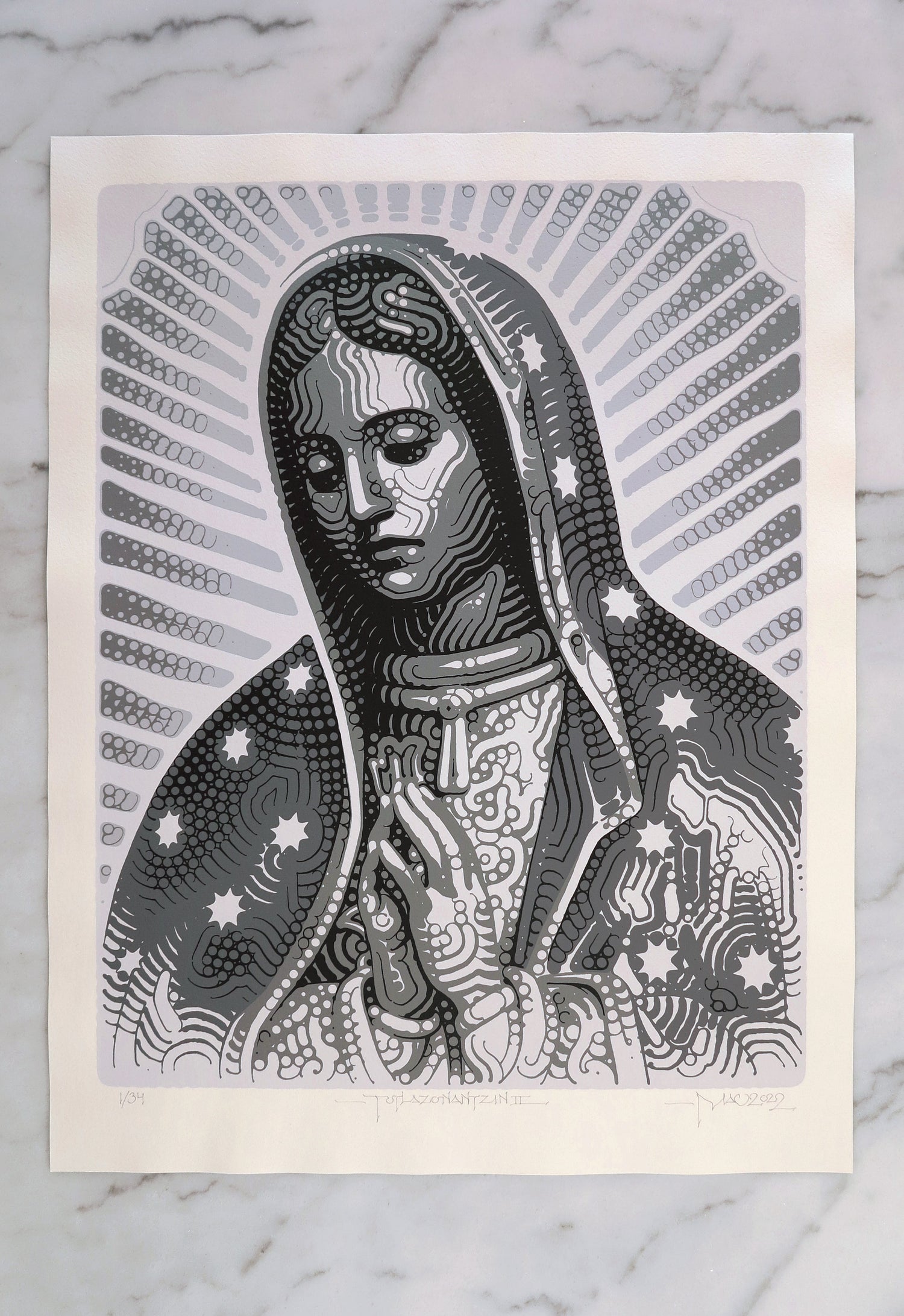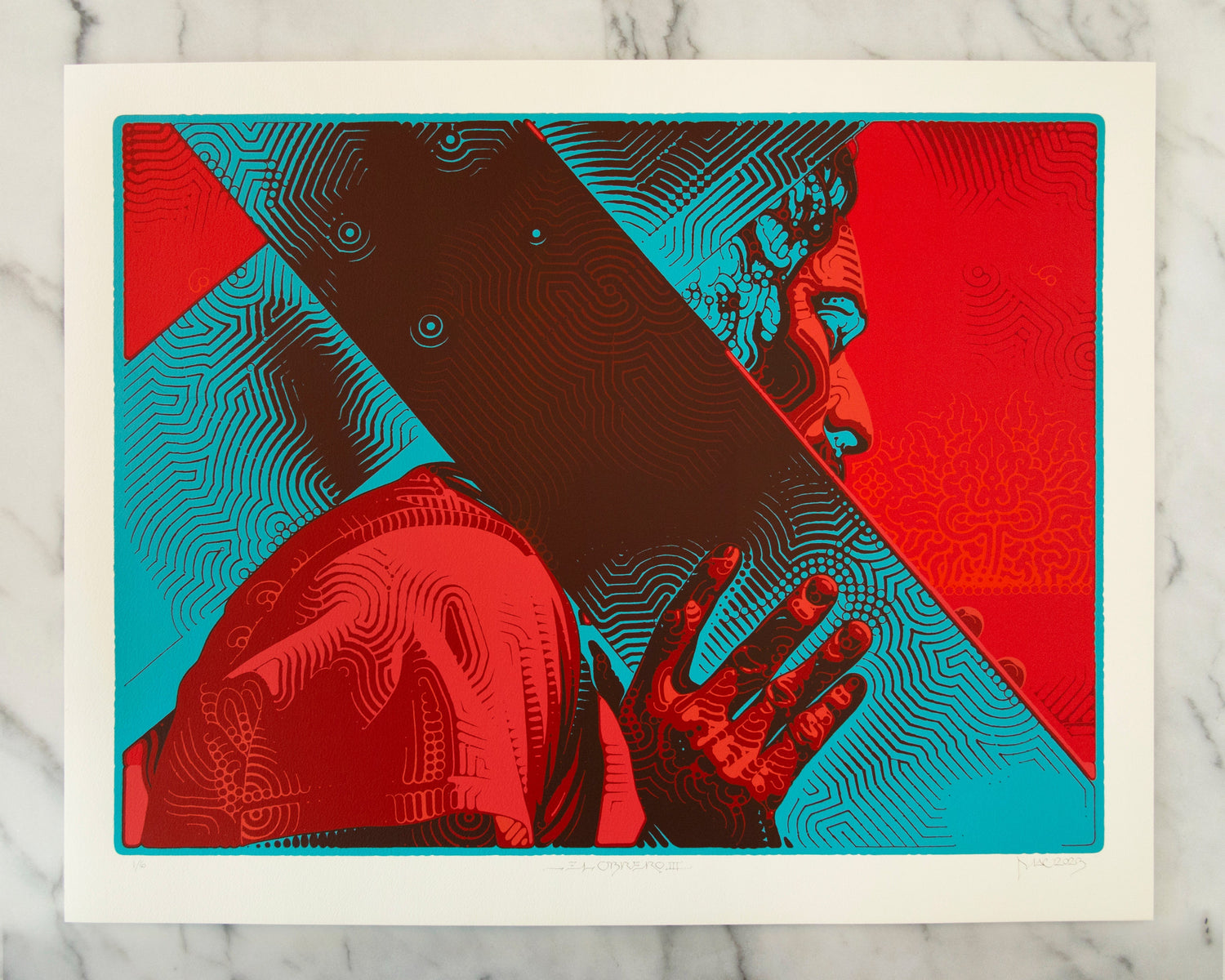
lanzamiento de edición limitada de impresión - 14 de agosto

NO TEMAS
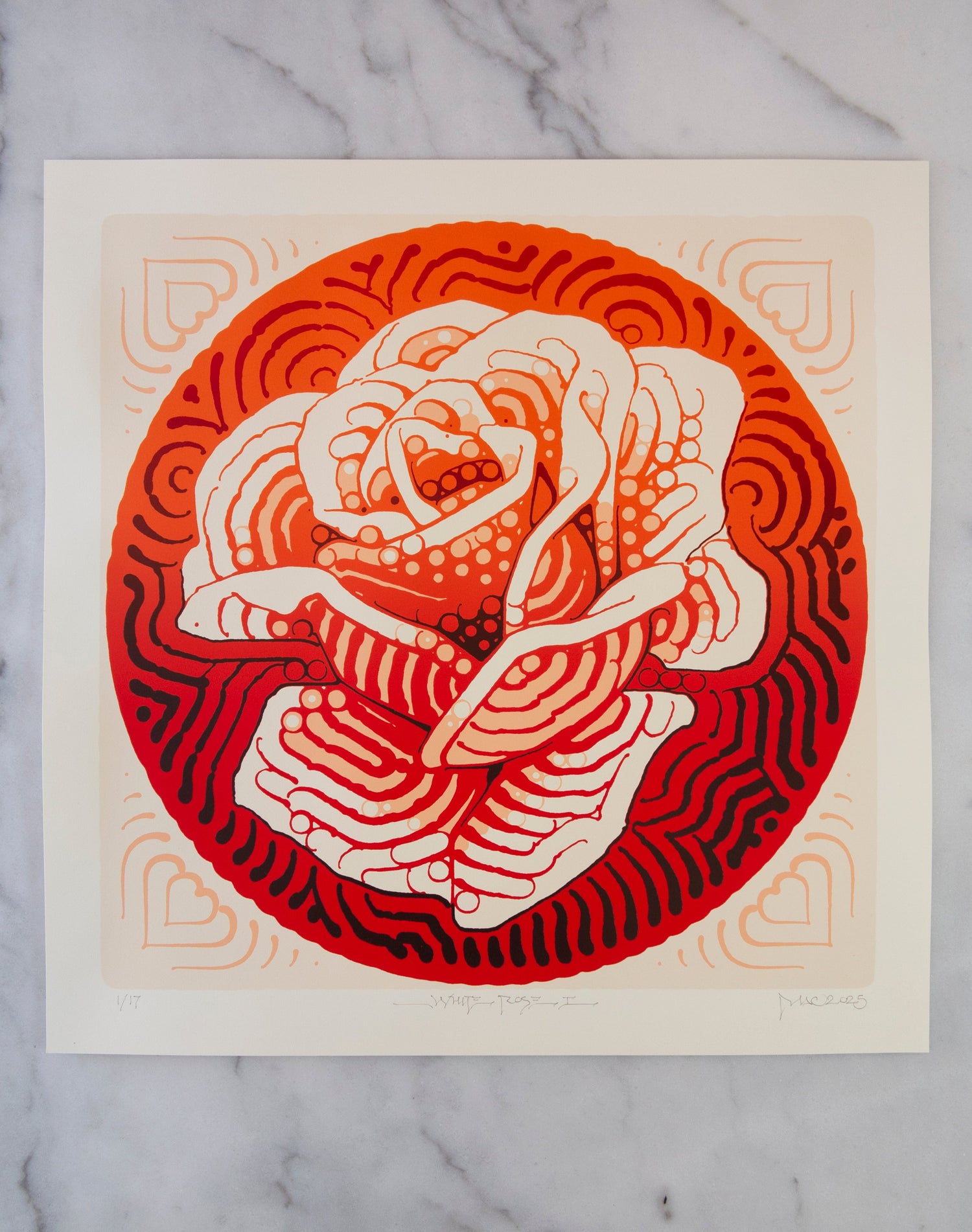
Nueva impresión próxima inspirada en la fotografía original del más grande del Art Nouveau de todos los tiempos, Alphonse Mucha, con un agradecimiento especial a Marcus Mucha, director de la Fundación Mucha con sede en Praga, República Checa. Estamos encantados de anunciar el lanzamiento de una serigrafía de edición limitada prevista para agosto de 2026. Únase a la lista de correo electrónico para recibir actualizaciones y acceso a futuras preventas.

Alfons Mucha - El más grande del Art Nouveau
Mucha comenzó a tomar fotografías a principios de la década de 1880, probablemente en Viena, con una cámara prestada. No fue hasta que obtuvo cierto reconocimiento en París y fondos suficientes que compró su primera cámara. La producción fotográfica de Mucha creció drásticamente después de su traslado a un gran estudio en la rue du Val de Grâce en 1896. En el nuevo estudio, donde tenía mucha más luz gracias a grandes ventanales y un techo de cristal, fotografiaba casi a diario.

Entre 1896 y principios del siglo XX, Mucha realizó una notable serie de fotografías de las modelos que posaban para él. El uso de la fotografía como medio económico para estudios preliminares era común entre los contemporáneos parisinos de Mucha. Sin embargo, las fotografías de Mucha son más que una alternativa a los bocetos porque también capturan la inimitable atmósfera del estudio de Mucha, un mundo de arte por derecho propio. Fue en su estudio donde Mucha entretuvo a innumerables artistas, escritores y músicos parisinos. También fue el escenario de una de las primeras proyecciones cinematográficas de los hermanos Lumière, a quienes Mucha había conocido en 1895, y de experimentos psíquicos con Camille Flammarion y Albert de Rochas. Al fondo de los estudios de modelos, se pueden ver ejemplos del trabajo de Mucha, rodeados de su colección de objetos de arte, libros y muebles, muchos de los cuales sobreviven hasta el día de hoy.
La mayoría de las fotografías parisinas de Mucha no fueron tomadas para un proyecto específico; él prefería improvisar una serie de poses frente a la cámara, creando un archivo de variantes de las que podía seleccionar lo que consideraba más adecuado para el tema de cada nuevo encargo. Sin embargo, algunas fotografías fueron obviamente dirigidas, con sus amigos y modelos posando como personajes para ilustraciones de libros. Más tarde, esta práctica se convirtió en parte de su experimentación con sus modelos para expresar sus ideas filosóficas a través de poses y gestos teatrales.
El enfoque teatral de Mucha culminó en su trabajo preparatorio para los lienzos de la Epopeya Eslava. Antes de trabajar en cada lienzo, Mucha produjo numerosas fotografías escenificadas que documentaban modelos disfrazados posando bajo sus directrices "teatrales". De estas fotografías seleccionaba las imágenes apropiadas y las sintetizaba para crear un evento histórico complicado en un solo lienzo. Aunque las imágenes estaban destinadas a ser estudios para sus pinturas finales, el enfoque de Mucha para la creación de imágenes tiene mucho en común con la realización cinematográfica.
TEXTO E IMÁGENES DE LA FUNDACIÓN MUCHA

Artist's Statement:
"Noli Timere" means "be not afraid" in Latin. Of course fear is always with us, and some fear can be necessary, but it's also clear that we live in a time when there's an excessive amount of anxiety and confusion, where fears are exploited for the sake of power, control, and wealth. Fear of precarity and fear of the 'other' are used to justify brutality and killing. We're propagandized and persuaded to fear and scapegoat immigrants and poor people—the 'least of these'—while even little children and our own neighbors are dehumanized. Hopefully we can prioritize love and mutuality over fear and division.
"El propósito de mi trabajo nunca ha sido destruir, sino siempre crear, construir puentes, porque debemos vivir con la esperanza de que la humanidad se una, y cuanto mejor nos entendamos, más fácil será. Me sentiré feliz si he contribuido a este entendimiento a mi modesta manera..."
The great artist Alfons Mucha—one of my biggest influences—wrote this in 1929 upon presenting his magnum opus, the Slav Epic, to the public. Mucha had dedicated himself to this monumental series of 20 mural-sized paintings for nearly two decades with a heroic amount of work and idealism, in hopes of uplifting the Slavic people and inspiring resistance to Germanic imperial rule. The work was greeted by distaste and confusion from critics, then hidden from the Nazis when they invaded and occupied Czechoslovakia in 1939 (Mucha passed away shortly after being detained and interrogated by the Gestapo). Then after WW2 the Slav Epic was disregarded by the Communists for many years but eventually put back on display in the 1960s, and I consider the series to be some of the most beautiful and powerful paintings ever made. I've loved them since seeing them in books as a kid, and was fortunate enough to go see them in Brno in 2018. I think they’re some of the most amazing mural sized paintings ever created and I’m still inspired by the passion and love that went into them. Those paintings as well as his posters show the extent to which he strove to reach everyday people, to share with others the profound love that went into his art, and I'd like to think I share some of that same love and spirit in my own art for the public.
One of the main themes motivating Mucha's work, and my own as well, is the desire to uplift through beauty, and the idea that beauty can be an expression of goodness. We share a belief in the transformative power of beauty and art, and a faith that everyone no matter how humble, and every element of nature, carries some spark of divinity. Mucha's idealism and desire to uplift humanity through art and beauty is something that resonates with me and I've tried to carry that forward in my own work.
One of Mucha's many photos of anonymous local townsfolk that he used for painting reference in the Slav Epic was a photo of an unknown Bohemian woman. This woman, photographed in 1914, could've just as easily represented a Slavic peasant woman as a soon-to-be expectant mother in the Levant 2000 years earlier. If some angelic being visited such a woman with assurances to 'be not afraid', perhaps the woman could've looked somewhat like this...
I recently made a painting based on this image, intended partly as an homage to Mucha, and these prints are adapted from that painting. I hope they convey a sense of grace and beauty, and at the risk of sounding grandiose, maybe even some small trace of the eternal:
'[The artist] will find no peace until he succeeds in communicating the emotions of his own soul to the souls of others, even at the price of laborious work, and his greatest joy will be that of seeing other souls also vibrating with the happiness of his emotion.'
-Alfons Mucha "
- EL MAC


fecha de lanzamiento: 14 de agosto de 2026 a las 10 a. m. PST - por favor, vuelve a ELMAC.ART en esta fecha para comprar
Precios
Rosa blanca
edición de 27
gris sobre crema
$475
Rosa Blanca II
edición de 14
azul cobalto sobre crema
$550
Rosa Blanca III
edición de 11
verde sobre crema
625 $
Rosa Blanca IV
edición de 10
negro sobre azul cielo
$750
Rosa Blanca V
edición de 8
rojo oscuro sobre azul cielo
$775
Rosa Blanca VI
edición de 7
azul oscuro sobre azul cielo
$800
Colecciones
-
ROSA BLANCA
Declaración del artista: Rosa Blanca En 1891, el revolucionario antiimperialista cubano José...